



H1: Why Do Jeans Have a Tiny Pocket? The Hidden History Revealed
Jeans are more than just denim pants—they are cultural symbols of work, freedom, and style. Yet one question often puzzles people: why do jeans have a tiny pocket That little pouch stitched above the main pocket may look decorative, but it has a fascinating story deeply rooted in history and practicality.
H2: The Original Purpose of the Tiny Pocket
When Levi Strauss introduced jeans in the late 1800s, the small pocket had a clear purpose—it was designed to hold a pocket watch. Cowboys, miners, and railroad workers relied on watches during their labor-intensive days. The small compartment kept the watch safe from dust, bumps, and scratches. It was a smart, functional design that reflected the rugged needs of early denim wearers.
H2: Why the Pocket Remained Even After Watches Changed
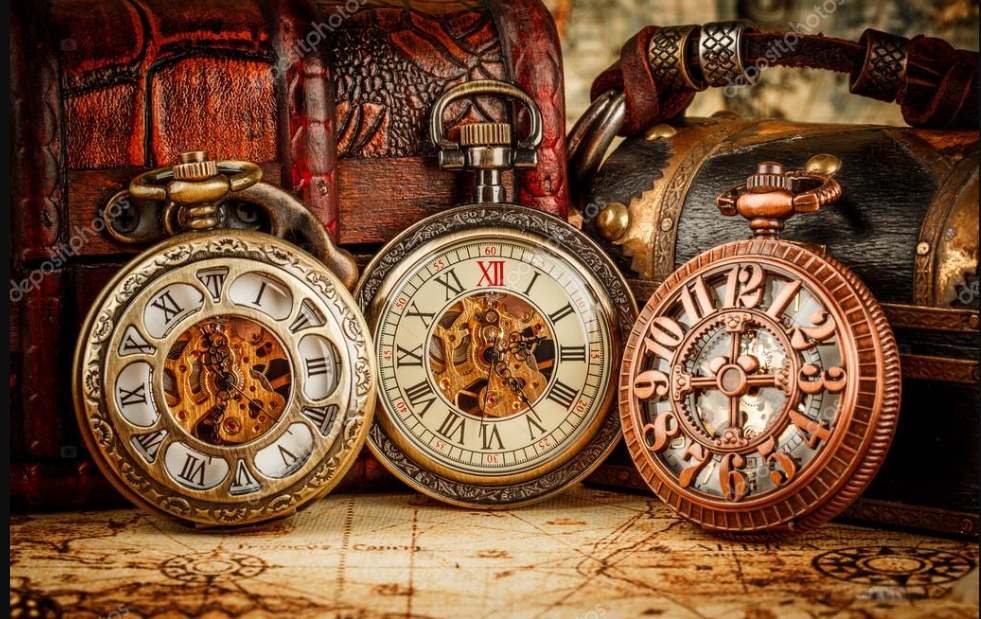
As wristwatches replaced pocket watches, one might expect the small pocket to disappear. Yet, denim makers kept it. Why? Because it became a part of jeans’ DNA—a detail people recognized and associated with authenticity. Removing it would mean altering a design cherished for generations. Fashion may evolve, but heritage remains.
H2: A Symbol of Tradition and Style
Today, that tiny pocket carries no watch, yet it carries tradition. It’s an enduring reminder of craftsmanship and design consistency. Brands preserve it to maintain the jeans’ original look. Consumers, in turn, appreciate its nostalgic charm and recognize it as a symbol of quality denim manufacturing.
H2: Modern Uses of the Tiny Pocket
Even though pocket watches are rare today, people have found creative uses for the tiny pocket. It now stores coins, USB drives, rings, earphones, and even lighters. For many, it’s a convenient spot for small valuables. This modern adaptation keeps the pocket relevant in a digital, fast-paced world.
H2: The Design Behind the Pocket’s Placement
The small pocket isn’t randomly placed. It sits inside the right front pocket—strategically positioned for accessibility and comfort. Its reinforced rivets and double stitching ensure durability, making it functional and aesthetic. Every seam, every stitch serves a purpose, keeping the denim sturdy and balanced.
H2: How Denim Brands Market the Tiny Pocket
Fashion brands have cleverly used this feature as a storytelling tool. They highlight it in marketing campaigns to celebrate jeans’ rich heritage. It’s not just a design—it’s a story of endurance, craftsmanship, and identity. By keeping the pocket, brands maintain a direct link to denim’s early roots.
H2: The Cultural Impact of This Small Detail
The tiny pocket isn’t just practical; it’s cultural. It represents the working-class origins of jeans and how they evolved into a universal fashion statement. From cowboys to rock stars, everyone wore jeans, and that pocket became a timeless symbol of authenticity and rebellion.
H2: Tiny Pocket Across Different Jeans Styles
Whether you wear skinny, straight, bootcut, or relaxed jeans, you’ll notice the pocket remains. Its design consistency reflects the denim industry’s respect for history. Some brands experiment with its size or angle, but few dare remove it. It’s a perfect blend of style continuity and subtle innovation.
H2: Consumer Perception and Emotional Connection
Many buyers love small design details that make their jeans unique. That tiny pocket sparks curiosity and conversation. It gives a sense of owning something traditional yet modern. Such emotional value strengthens brand loyalty, making the jeans feel more personal and meaningful.
H2: The Role of Functionality in Modern Fashion
Fashion often balances beauty with function. The tiny pocket proves that utility can be stylish. Even when its original use faded, its practicality found new life. Designers who retain it show that thoughtful design lasts longer than temporary trends.
H2: The Evolution of Jeans Manufacturing
Over decades, jeans manufacturing has advanced with better fabrics and stitching technologies. Yet, the small pocket remains unchanged. That consistency builds trust and authenticity. People recognize classic denim elements, making jeans a reliable wardrobe staple worldwide.
H2: How the Tiny Pocket Adds Character to Jeans
Small details often define great design. This pocket adds balance, texture, and personality to jeans. Without it, the front would look plain. Its contrast stitching catches the eye and complements the denim’s rugged texture. That subtle detail enhances the overall appeal.
H2: Interesting Facts About the Tiny Pocket
Few know that early jeans had only four pockets, including this tiny one. It wasn’t an extra—it was essential. Over time, jeans evolved to include five pockets, but the small one stayed in place. It has survived over a century, proving its cultural and functional importance.
H2: The Future of Jeans and the Tiny Pocket
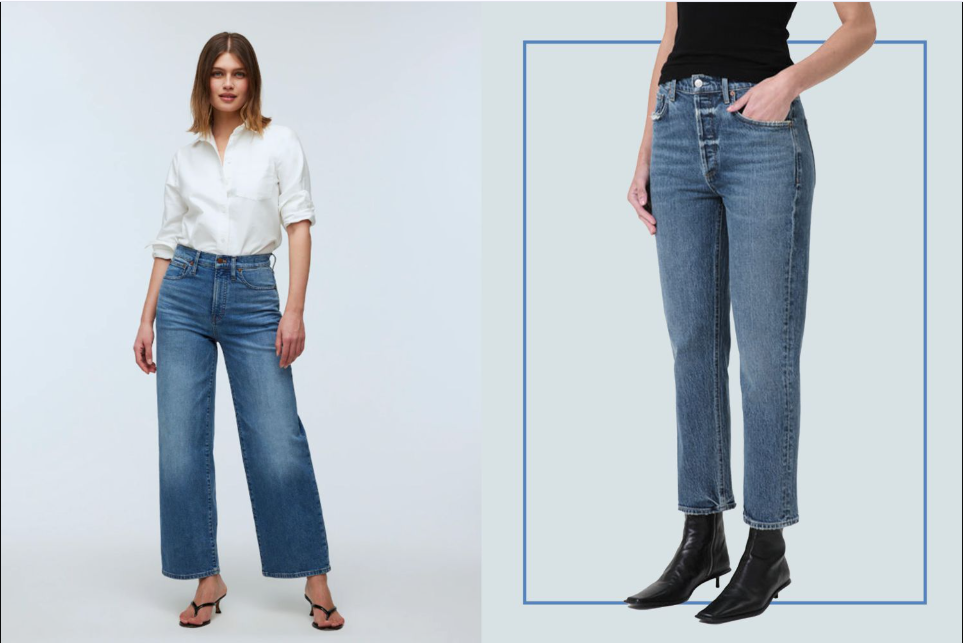
As fashion embraces sustainability and innovation, jeans continue to evolve. Yet, the small pocket endures. Designers may modernize materials, but traditional details like this pocket remain untouched. It’s a nod to the past and a bridge to the future—a timeless icon of denim craftsmanship.
H2: Why This Tiny Feature Still Matters
In a world driven by trends, small authentic details matter. The tiny pocket connects wearers to history, function, and timeless design. It’s not just fabric—it’s storytelling. That’s why brands and consumers alike cherish it. Every time you slip something into it, you carry a piece of history.
Conclusion: The Pocket That Stands the Test of Time
Now you know why jeans have a tiny pocket. It began as a practical tool, evolved into a heritage mark, and now lives as a style signature. The next time you put on your jeans, take a moment to appreciate this small but mighty design feature. It represents history, craftsmanship, and fashion resilience.
Call to Action:
Ready to explore your own denim heritage? Next time you shop, look closely at your jeans—see how that tiny pocket connects past and present. Choose quality denim that tells your story and carries tradition with pride.
