


Introduction
Birthdays are universal celebrations — moments filled with joy, love, and good wishes. No matter where you are in the world, saying “Happy Birthday” brings people together in warmth and celebration. In German, the most common way to express this sentiment is “Alles Gute zum Geburtstag”, which literally translates to “All the best for your birthday.”
This phrase carries not just a greeting but a heartfelt wish for happiness, health, and success. Whether you’re writing a message to a German friend, planning a birthday card, or learning about German culture, understanding “Alles Gute zum Geburtstag” helps you connect on a deeper level.
In this article, we’ll explore the meaning, pronunciation, cultural significance, and different ways to say Happy Birthday in German, along with tips on how to use the phrase naturally in greetings, cards, and celebrations.
What Does “Alles Gute zum Geburtstag” Mean?
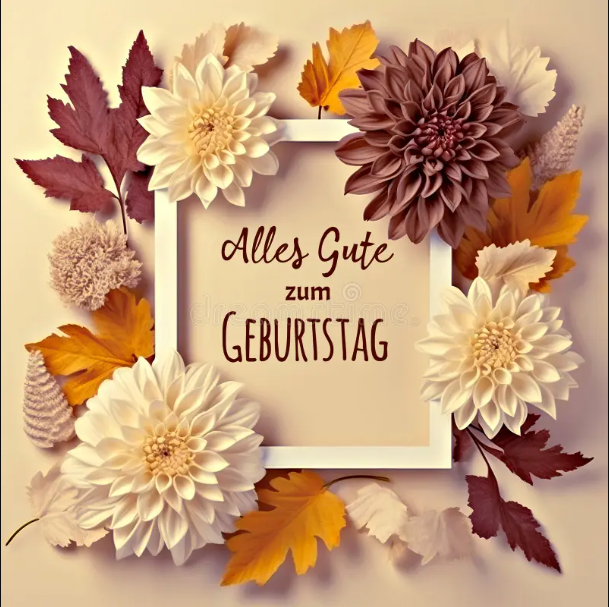
The phrase “Alles Gute zum Geburtstag” breaks down as follows:
- Alles Gute → “All the best”
- zum → short for “zu dem,” meaning “to the”
- Geburtstag → “Birthday”
So, word-for-word, it means “All the best to your birthday,” or more naturally in English, “All the best for your birthday.”
It’s the most common and polite way to wish someone a happy birthday in German-speaking countries such as Germany, Austria, and Switzerland.
How to Pronounce It Correctly
Pronunciation (German phonetics):
➡️ Alles Gute zum Geburtstag → AH-lesh GOO-te tsoom guh-BOORTS-tahk
Here’s a simple guide:
- “Alles” = All
- “Gute” = Goo-tuh (soft ‘uh’ sound at the end)
- “zum” = tsoom (like “zoom” but with a ‘ts’ sound)
- “Geburtstag” = guh-boorts-tahk
Saying it with a smile and friendly tone makes it even more authentic and heartfelt!
Alternative German Birthday Greetings
While “Alles Gute zum Geburtstag” is the classic expression, Germans use several other variations depending on formality, relationship, and occasion. Here are some popular ones:
- Herzlichen Glückwunsch zum Geburtstag!
Translation: “Heartfelt congratulations on your birthday!”
→ Very common and slightly more formal. - Alles Liebe zum Geburtstag!
Translation: “Lots of love for your birthday!”
→ Used for close friends, family, or romantic partners. - Zum Geburtstag viel Glück!
Translation: “Good luck for your birthday!”
→ Often sung in songs or used informally. - Ich wünsche dir alles Gute zum Geburtstag!
Translation: “I wish you all the best for your birthday!”
→ A full, grammatically complete sentence used in cards or letters. - Feiere schön!
Translation: “Have a great celebration!”
→ Informal and friendly.
Each phrase adds a different emotional tone — from formal congratulations to warm, affectionate wishes.
Cultural Importance of Birthdays in Germany
Birthdays are taken seriously in German culture. They’re not just casual get-togethers; they are well-planned celebrations with traditions, food, and heartfelt messages.
Here are a few fascinating birthday customs from Germany:
🎂 1. The Birthday Person Hosts the Party
Unlike in many countries, in Germany, the birthday person (das Geburtstagskind) is expected to host the celebration — inviting friends, preparing food, and offering drinks. Guests bring gifts, but the host makes sure everyone feels welcome.
🎉 2. No Early Wishes!
It’s considered bad luck to wish someone happy birthday before their actual date. Germans believe it might bring misfortune. So always wait until the day itself to say “Alles Gute zum Geburtstag!”
🕯️ 3. Midnight Tradition
Close friends or family sometimes surprise the birthday person right at midnight with candles, cake, and singing the German version of “Happy Birthday.”
🍻 4. The Birthday Table
A decorated “Geburtstagstisch” (birthday table) is often arranged at home or in offices, filled with gifts, cards, flowers, and a special cake.
🧁 5. Children’s Birthdays (Kindergeburtstag)
For kids, birthdays are a big deal — games, balloons, themed parties, and small gifts for guests (called Mitgebsel).
German Birthday Songs
The German equivalent of “Happy Birthday to You” exists, and you’ll often hear it at celebrations:
🎵
Zum Geburtstag viel Glück,
Zum Geburtstag viel Glück,
Zum Geburtstag liebe (Name),
Zum Geburtstag viel Glück!
Translation:
“Good luck for your birthday,
Good luck for your birthday,
Good luck dear (Name),
Good luck for your birthday!”
It’s sung with joy and enthusiasm, often followed by clapping and cheering.
How to Write a Birthday Message in German
If you want to write a birthday card or message using “Alles Gute zum Geburtstag,” here are a few examples you can use — from formal to friendly:
💌 Formal Message
Herzlichen Glückwunsch zum Geburtstag! Ich wünsche Ihnen Gesundheit, Erfolg und viele glückliche Momente im neuen Lebensjahr.
(Heartfelt congratulations on your birthday! I wish you health, success, and many happy moments in the new year of your life.)
😊 Friendly Message
Alles Gute zum Geburtstag! Ich hoffe, dein Tag ist voller Freude, Lachen und guter Gesellschaft.
(All the best for your birthday! I hope your day is full of joy, laughter, and good company.)
❤️ Romantic Message
Alles Liebe zum Geburtstag, mein Schatz! Du machst mein Leben schöner jeden Tag.
(Lots of love on your birthday, my darling! You make my life more beautiful every day.)
🎈 Funny Message
Alles Gute zum Geburtstag! Du wirst nicht älter – nur besser!
(All the best for your birthday! You’re not getting older – just better!)
These variations show how versatile “Alles Gute zum Geburtstag” can be in different situations.
How to Celebrate a Birthday in German Style
To truly embrace German culture, you can incorporate a few traditional elements into your celebration:
- Cake (Kuchen): Every birthday needs one! A popular choice is Schwarzwälder Kirschtorte (Black Forest Cake).
- Decorations: Use balloons, flowers, and colorful tableware.
- Music: Play German songs or the classic birthday tune.
- Toasts: Raise a glass and say Prost! (Cheers!) while wishing “Alles Gute zum Geburtstag!”
- Gifts: Thoughtful, practical gifts are appreciated — books, wine, or personal items are popular.
Learning Opportunity for German Students
For anyone learning German, “Alles Gute zum Geburtstag” is an excellent example of how greetings are formed. It introduces grammar elements like:
- “zum” = contraction of zu dem (to the)
- Dative case usage
- Gender and noun declension (der Geburtstag → zum Geburtstag)
It’s also a friendly phrase to use in real-life conversations, making it a must-know for learners and travelers alike.
Digital Birthday Wishes in German
In the digital age, birthday wishes have also evolved. You can use “Alles Gute zum Geburtstag” in:
- Text messages
- WhatsApp greetings
- Instagram captions
- E-cards or GIFs
Examples:
- “🎉 Alles Gute zum Geburtstag! 🎂 Hoffe, du hast einen fantastischen Tag!”
- “🥳 Alles Gute zum Geburtstag! Feiere schön und bleib gesund!”
These short, cheerful lines fit perfectly in social media posts or chat messages.
Symbolism and Emotional Value
In Germany, birthdays symbolize a new beginning — a moment to reflect on personal growth, achievements, and relationships. Saying “Alles Gute zum Geburtstag” isn’t just a phrase; it’s a wish for continued happiness and good fortune in the person’s life.
This cultural depth gives the greeting a sincerity that makes it feel personal and meaningful, even in a simple message.
Conclusion
“Alles Gute zum Geburtstag” is more than a simple translation of “Happy Birthday.” It’s a beautiful German expression of warmth, goodwill, and joy. Whether spoken, written, or sung, it reflects the heartfelt nature of German birthday traditions — celebrating life, friendship, and happiness.
So the next time you wish someone “Alles Gute zum Geburtstag,” remember — you’re not just sending words, but a genuine piece of German culture and emotion that transcends borders.
Celebrate with kindness, laughter, and a slice of cake — or as the Germans say,
🎂 “Alles Gute zum Geburtstag!”
